



Difference Between SEM and SEO: A Complete Guide for Businesses Expanding Across Borders
In a digital world where competition is no longer local but global, understanding the difference between SEM and SEO is essential for any business looking to grow beyond its home market. While both strategies aim to increase visibility in search engines, they operate differently, deliver distinct types of results and require unique approaches depending on the target location.
This comprehensive guide is designed for companies that want to strengthen their online presence in the United States, Latin America, Europe, or any region where digital demand continues to grow.
What Does the Difference Between SEM and SEO Truly Mean?
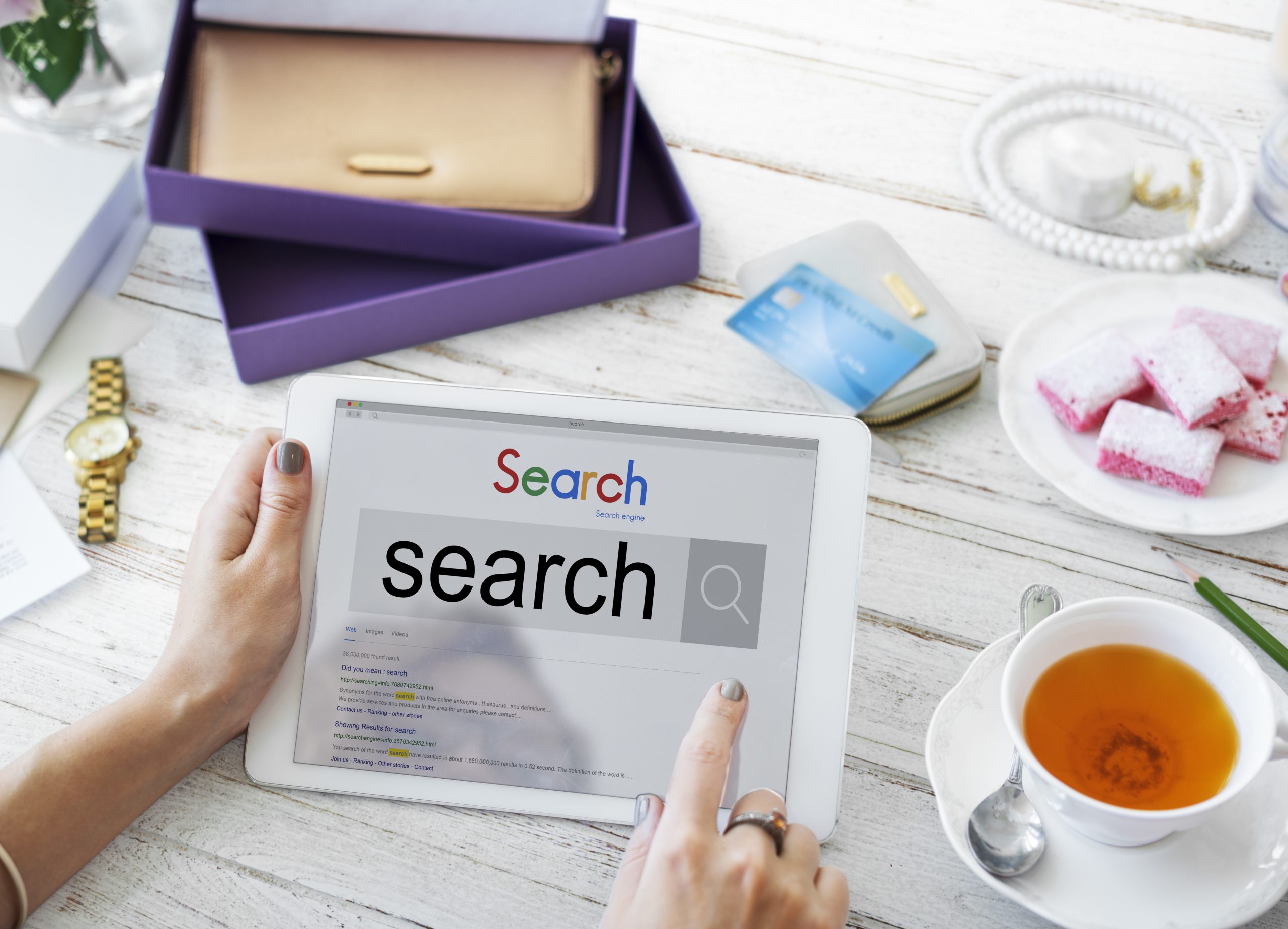
To compete effectively in search engines like Google, it’s crucial to understand that visibility can be achieved through two main paths:
- SEO (Search Engine Optimization): Organic positioning through content, technical structure, and user experience improvements.
- SEM (Search Engine Marketing): Paid advertising in search results, commonly known as PPC (pay-per-click).
While SEO focuses on long-term authority, SEM focuses on immediate visibility.
Understanding the difference between both is crucial when a business aims to enter or grow within multiple international markets.
– What Is SEO and Why Is It Essential for Global Growth?
SEO includes all the techniques used to improve your site’s organic rankings.
It does not require paying for clicks, but it does require strategy, consistency and content tailored to the needs of each audience, especially when targeting various countries.
– Key Benefits of SEO for International Businesses
1. Long-term positioning in different countries
Once your pages rank well, they continue attracting traffic for months or years—ideal for businesses planning long-term global expansion.
2. Trust and authority across markets
Users tend to trust organic results more than ads.
For brands entering new territories, strong organic presence builds credibility.
3. Adaptability to different languages and cultures
A website optimized for several regions can rank effectively in markets with different search habits, such as the U.S., Mexico, Colombia or Spain.
4. Higher-quality traffic
SEO attracts users who are actively searching for solutions, increasing conversion opportunities.
– What Is SEM and Why Does It Accelerate International Market Entry?
SEM refers to paid ads within search engines. Google Ads is the most common platform.
Unlike SEO, SEM delivers fast visibility and allows precise targeting by country, city, language and user behavior.
– Advantages of SEM for Global Expansion
1. Immediate results
Ads can appear within minutes of launching a campaign—ideal for testing new markets or accelerating demand.
2. Advanced segmentation worldwide
You can target audiences in Miami, Bogotá, Madrid or Buenos Aires with unique custom settings for each market.
3. Flexible budgeting
Invest more in countries with high competition and reduce investment in emerging regions while still gathering valuable data.
4. Perfect for validating new territories
Before entering a new country physically, SEM allows you to test interest and measure demand.
– Difference Between SEM and SEO: Practical Comparison for International Business Strategy
Understanding the operational differences helps determine which strategy to prioritize depending on your goals.
– Main Differences
| Factor | SEO | SEM |
|---|---|---|
| Speed of Results | Slow, gradual | Immediate |
| Cost Structure | No cost per click | Pay per click (PPC) |
| Longevity | Long-term impact | Results stop when ads stop |
| Best For | Building authority globally | Fast testing and demand generation |
| Competition | Based on content quality | Based on bidding power |
| Keyword Approach | Organic relevance by region | Paid auctions by region |
SEO and SEM are not competitors—they’re complementary.
Successful global brands almost always use both.
– Which Strategy Works Best for International Growth?
The right answer depends on your needs, timeline and market goals.
– Choose SEO when:
- You need sustainable results over time.
- Your company wants to build multilingual content.
- Your budget is limited, but you seek long-term visibility.
- The industry has fierce competition in paid ads.
– Choose SEM when:
- You need results fast.
- You’re entering or testing new markets.
- You have time-sensitive campaigns or promotions.
- You want to reach multiple regions quickly.
– The ideal situation: combine both
SEM provides the speed.
SEO provides the stability.
Together, they create the ideal ecosystem for international growth.
– How to Apply SEM and SEO for Multinational or Multiregional Businesses
Expanding into multiple countries requires a different approach than targeting just one audience.
– Practical Recommendations
1. Create country-specific or region-specific content
Google rewards local relevance.
What works in Miami may not resonate the same way in Santiago or Madrid.
2. Research keywords per country
Consumer behavior varies widely by region.
A high-volume keyword in the U.S. may not exist in Latin America.
3. Adjust SEM bidding strategies by region
CPCs in the United States are generally higher than in Latin America or South Asia.
4. Analyze performance by market
Data from one country should never dictate global decision-making.
– Final Thoughts: Understanding the Difference Between SEM and SEO Gives You a Competitive Global Advantage
Your brand’s competitors are not only down the street—they’re anywhere in the world.
By understanding how SEO builds long-term visibility and how SEM drives immediate traction, you can make smarter decisions and allocate budgets effectively across regions.
Mastering the difference between SEM and SEO is what allows brands to expand confidently and win opportunities in multiple markets.
Want Help Implementing SEM and SEO for Global Audiences? Contact Us
Our team specializes in strategies that help businesses grow across borders.
CONTACT
📞 +1 75427581935
📩 sales@groupdimark.us
💬 WhatsApp available for international inquiries
VENUES
🌎 Miami – USA
🌎 Miramar – USA
Your international expansion begins with a well-built digital strategy.
Reach out today and increase your visibility in the markets you want to conquer.